
Winter weather in Washington can make traveling hazardous — particularly through mountain corridors like Snoqualmie Pass. With current forecasts showing ongoing snow and winter weather advisories in the Cascade region, it’s more important than ever for drivers to prepare, understand road conditions, and know what legal responsibilities apply in winter travel. WSDOT+1
This Washington winter driving safety guide explains how to get ready for winter roads, stay safe while driving, and know your legal obligations under state rules.
Current Weather & Road Conditions Affecting Drivers
Snow and winter weather advisories are currently in place for areas of the Washington Cascades, including Snoqualmie Pass. Snow accumulations and low visibility can significantly impact travel conditions, particularly in higher elevations. WSDOT
For ongoing updates on Snoqualmie Pass conditions — including travel restrictions, live traffic cameras, and roadway weather — check the official WSDOT Snoqualmie Pass travel page. WSDOT
Before You Drive: Prep for Winter Roads
Vehicle Readiness
To enhance your safety on winter roads:
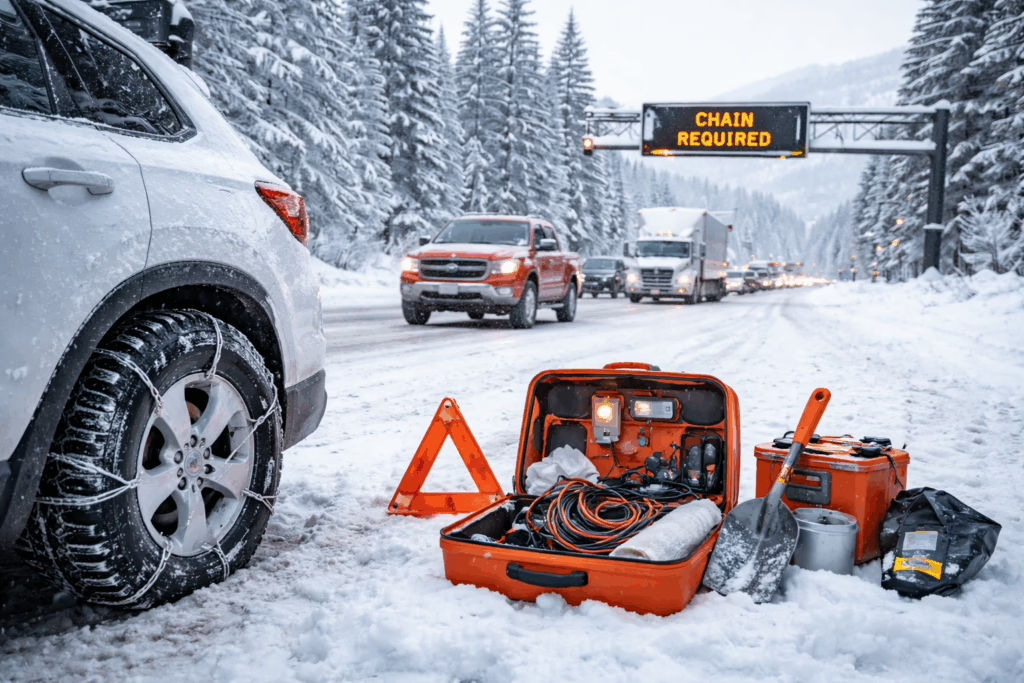
- Tires: Use appropriate traction tires or carry chains; Washington law requires all vehicles to carry chains over mountain passes during the winter season. WSDOT+1
- Battery & Lights: Cold weather reduces battery efficiency — test your battery and ensure all lights are clear of snow.
- Fluids & Wipers: Use winter‑grade washer fluid and replace worn wipers for visibility.
Emergency Kit
Pack a winter driving kit including:
- Blankets and warm clothing
- Water and snacks
- Flashlight + batteries
- Ice scraper and snow brush
- First‑aid kit
- Shovel and traction aids (sand or kitty litter)
- Phone charger
Safe Driving Practices for Winter Conditions
Drive for Conditions
WSDOT specifically advises drivers to slow down, leave extra space, and check pass conditions before traveling, especially during snow and ice events. WSDOT
Key tips include:
- Reduce speed in snowy or slippery conditions.
- Don’t use cruise control on ice.
- Avoid sudden braking or steering — gently accelerate and decelerate.
- Pay attention to roadway advisories and variable message signs on I‑90 in the passes. WSDOT
Traction Tires & Chain Requirements
Washington’s traction and chain laws require drivers to carry traction devices — and install them when signs indicate chains required. Even four‑wheel‑drive and all‑wheel‑drive vehicles must carry approved chains during traction advisories on mountain passes. WSDOT+1
For specifics about traction devices and the legal requirements, WSDOT’s official Tires & Chains page provides up‑to‑date guidance. WSDOT
Checking Real‑Time Conditions
Before you leave:
- Use WSDOT’s real‑time travel data page to view alerts, cameras, and conditions. WSDOT
- Consult the Mountain Passes travel hub for weather forecasts and pass‑specific info. WSDOT
- Monitor the National Weather Service forecast for Snoqualmie Pass to stay ahead of snow and icy conditions. National Weather Service
Legal Considerations in Winter Accidents
Even in snowy conditions, Washington drivers are expected to adapt to weather and road conditions. Failing to do so may be considered negligent conduct if it results in a crash. Proper preparation and safe driving practices not only reduce your risk of a winter accident but also strengthen your legal position should an incident occur.
If another driver’s failure to drive safely in winter conditions causes a collision, you may have the right to seek compensation for your damages.
Call to Action
Winter conditions can be unpredictable and dangerous. If you or a loved one has been injured in a winter weather collision, you need an attorney who understands Washington winter driving safety laws and how fault is determined during snow and ice conditions.
📞 Contact Blanford Law today at ken@blanfordlaw.com or 253‑720‑9304 for guidance on your legal matter.
Additional Resources
- Traction Tire Enforcement on Snoqualmie Pass: Winter Driving Safety
Learn how Washington law enforces traction tire requirements on Snoqualmie Pass and how it impacts winter driving safety. - Thanksgiving Travel on Snoqualmie Pass: What Drivers Should Know
Holiday travelers face special risks on Snoqualmie Pass — here’s what to expect during peak winter travel periods. - Winter Driving and Tire Chain Laws in Washington Mountain Passes
Understand when and where tire chains are legally required in Washington’s mountain regions, including Snoqualmie Pass. - Hefty Fines: Washington State Patrol Intensifies Enforcement of Traction Requirements at Snoqualmie Pass
Drivers face increased patrols and steep fines for failing to comply with traction laws during snow events. - Snow Chains and Cleanup: Safety and Legal Tips for Snoqualmie Pass Drivers
Discover how to stay safe and legally compliant when using snow chains on Snoqualmie Pass this winter.