
Contesting a traffic or civil infraction in Washington means preparing for a hearing — and part of that preparation involves understanding the discovery procedures outlined in IRLJ 3.1. Discovery is how the defendant obtains key evidence from the prosecuting authority before the hearing. This rule balances fairness and efficiency in Washington’s courts of limited jurisdiction.
What Discovery Means in an Infraction Case
Discovery allows a party to request certain evidence that will be used at the hearing. In the context of IRLJ 3.1, discovery is limited but crucial: it ensures the defendant has a fair opportunity to review the case against them in advance.
How to Request Discovery Under IRLJ 3.1
To begin the discovery process, the defendant must:
- Submit a written demand to the prosecuting authority
- Do so at least 14 days before the scheduled hearing
This step is essential — no demand, no required disclosures. The demand should reference IRLJ 3.1 and clearly request all materials required by the rule.
What the Prosecuting Authority Must Provide
Once a timely request is made, the prosecutor must provide, no later than 7 days before the hearing:
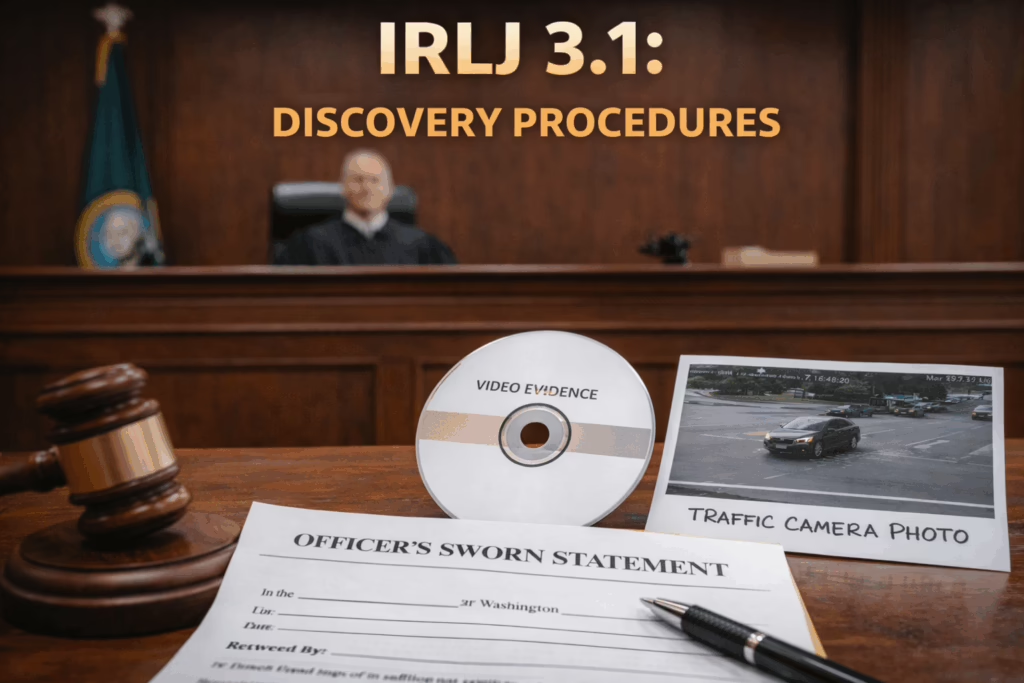
- The officer’s sworn statement that formed the basis of the infraction
- Any photographic or video evidence the prosecutor plans to present
- Names of any witnesses the prosecutor intends to call, if not listed in the officer’s statement
If the evidence includes online media, the prosecutor may provide a link or access instructions instead of physical copies.
What Happens If Evidence Is Provided Late (or Not at All)
IRLJ 3.1 includes protections if discovery isn’t followed properly:
- If evidence is produced late, the court may suppress it, but only if the delay prejudiced the defendant
- If evidence is not produced at all, the court must suppress it, unless the prosecutor shows good cause for the failure
This gives defendants a clear legal remedy if the prosecution fails to follow discovery rules.
Legal Strategy: Why Discovery Matters
Discovery under IRLJ 3.1 can:
- Help you understand the officer’s version of events
- Reveal technical flaws or inconsistencies
- Allow time to prepare counter-evidence or witness testimony
In some cases, early review of the sworn statement or photo evidence may even lead to early resolution, dismissal, or a stronger argument at trial.
Tips for Using Discovery Effectively
- Submit your demand early — don’t wait until the last minute
- Be specific in your request
- Check court rules or local practices that might affect timing or format
- Follow up if you don’t receive materials on time
Call to Action
If you’re preparing for a contested infraction hearing in Washington and need help navigating the discovery process under IRLJ 3.1, Contact Blanford Law today at ken@blanfordlaw.com or 253-720-9304 for guidance on your legal matter.
Additional Resources
- Washington Traffic Infraction Rules Guide – A full overview of procedures and rights in infraction cases.
https://blanfordlaw.com/washington-traffic-infraction-rules - Understanding Traffic Hearings in Washington – What to expect and how to prepare for your hearing.
https://blanfordlaw.com/traffic-hearings-wa - Traffic Court Prep Checklist – What to bring and how to prepare for contested hearings.
https://blanfordlaw.com/traffic-court-prep-wa - Responding to a Ticket vs. Requesting a Hearing – Knowing your legal options.
https://blanfordlaw.com/responding-vs-hearing-wa - What Happens If You Ignore a Traffic Ticket in WA – Legal consequences of non-response.
https://blanfordlaw.com/ignore-traffic-ticket-wa