
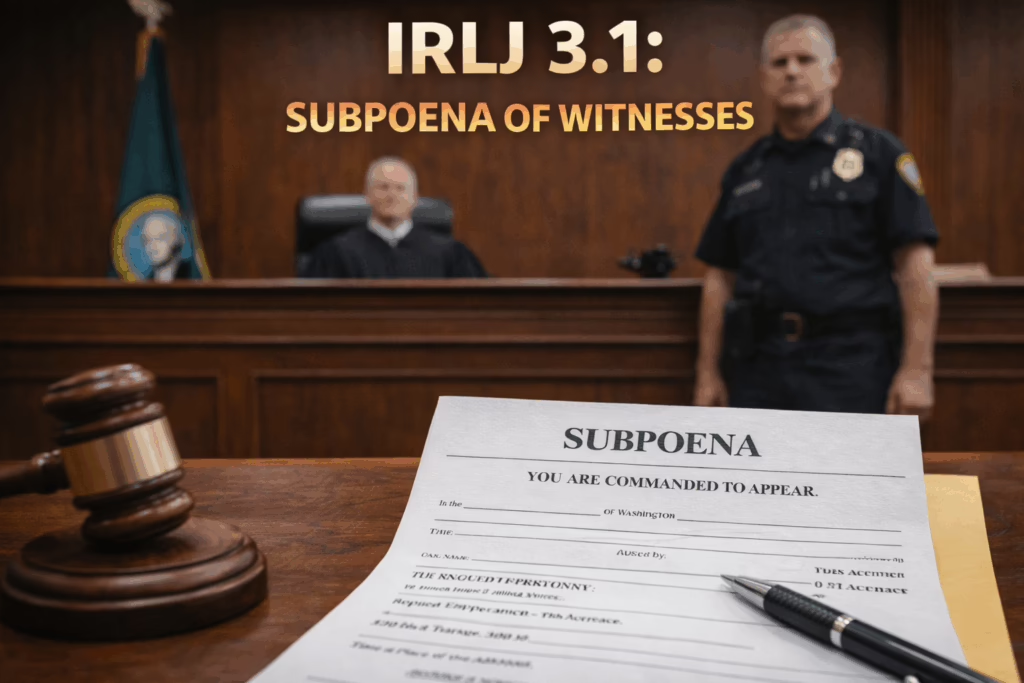
In Washington, individuals who contest a notice of infraction—such as a traffic violation—have the right to present evidence and call witnesses in their defense. Rule IRLJ 3.1 governs the preliminary procedures for contested hearings, including how to subpoena witnesses. This process allows either party—defendant or prosecution—to compel the appearance of individuals whose testimony may be relevant to the case.
Who Can Issue a Subpoena Under IRLJ 3.1?
A subpoena may be issued by:
- A judge
- A court commissioner
- The clerk of the court
- An attorney representing a party
If the subpoena is issued by an attorney, a copy must be filed with both the court and the prosecuting authority.
Timing and Service Requirements
The rule requires that subpoenas must be served no later than seven (7) days before the scheduled hearing. Failing to meet this deadline could mean the witness testimony is excluded.
Methods of Service
- In-person delivery within the jurisdiction of the court
- First-class mail to the witness’s last known address (if allowed by court rules)
If the witness resides outside the county, the subpoena must be approved by a judge prior to issuance.
Practical Use: Subpoenaing Law Enforcement Officers
Defendants often subpoena the citing officer who issued the infraction. This is commonly done to:
- Question the officer’s observations
- Challenge their evidence
- Raise issues of credibility or inconsistency
The officer’s presence can be crucial, especially if the defense seeks to contest the sworn statement or introduce conflicting testimony.
Why Subpoenas Matter in Contested Hearings
IRLJ 3.1 ensures that both parties have a fair chance to:
- Present relevant witnesses
- Cross-examine the opposing party’s witnesses
- Support their claims with first-hand accounts
Without a subpoena, a witness may not appear voluntarily. This rule helps ensure the court hears all relevant evidence before making a decision.
Consequences of Failing to Follow Subpoena Rules
Improperly issued or untimely subpoenas may result in:
- The exclusion of witness testimony
- A weakened defense or prosecution case
- Loss of the ability to present crucial evidence
If a witness fails to appear after being properly served, the court may issue a bench warrant or take other enforcement actions.
Call to Action
If you need to subpoena a witness for an infraction hearing or want to ensure your hearing is properly prepared, Contact Blanford Law today at ken@blanfordlaw.com or 253-720-9304 for guidance on your legal matter.
Additional Resources
- Washington Traffic Infraction Rules Guide – Learn the structure and process for handling infractions in Washington courts.
https://blanfordlaw.com/washington-traffic-infraction-rules - Understanding Traffic Hearings in Washington – A detailed breakdown of contested hearing procedures.
https://blanfordlaw.com/traffic-hearings-wa - What Happens If You Ignore a Traffic Ticket in WA – Consequences of failing to respond or appear.
https://blanfordlaw.com/ignore-traffic-ticket-wa - Responding to a Ticket vs. Requesting a Hearing – What your options are and how they differ.
https://blanfordlaw.com/responding-vs-hearing-wa - Traffic Court Prep Checklist – Tips on preparing for your contested hearing.
https://blanfordlaw.com/traffic-court-prep-wa