
Washington’s administrative regulations include specific safety rules for vehicles traveling in winter and hazardous conditions. One of these is WAC 204‑24‑050, a section of the Washington Administrative Code that governs the use of tire chains or other traction devices when specified by posted traffic control signs. These rules help ensure safety on snowy, icy, or steep roadways by requiring certain traction equipment in designated control areas.
What WAC 204‑24‑050 Covers
WAC 204‑24‑050 falls under Title 204, which contains regulations adopted by the Washington State Patrol related to vehicle equipment standards and enforcement procedures. This section specifically addresses when vehicles must use tire chains or other approved traction devices based on posted requirements from the Washington State Department of Transportation (WSDOT).
Traction Device Requirements for Vehicles Under 10,000 Pounds
Under subsection (1) of WAC 204‑24‑050, any vehicle weighing less than 10,000 pounds gross vehicle weight must comply with traction control signs posted by WSDOT:
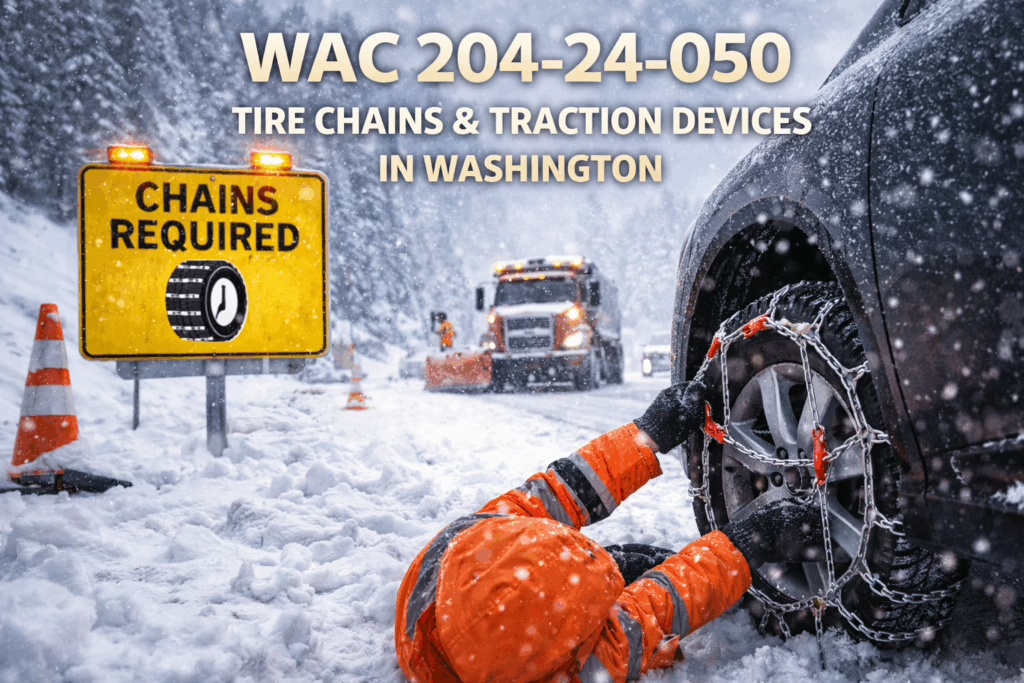
- When “Chains Required” or similar traction control signs are posted, it is unlawful for a vehicle to enter the controlled area unless the specified traction device is mounted on its drive tires.
- The traction devices used must also comply with standards set out elsewhere in the chapter (e.g., WAC 204‑24‑040).
Exceptions for All‑Wheel Drive (AWD) Vehicles
There’s an important exception for vehicles equipped with all‑wheel drive:
- When “Chains Required” signs are posted, AWD vehicles that are in gear on all wheels and have approved traction devices may be exempt from immediately installing tire chains.
- However, such vehicles must carry tire chains for at least one set of drive tires in the vehicle while traveling through these areas.
- Alternative traction devices listed on the Washington State Patrol’s approved list are also considered compliant when a chain requirement sign is posted.
These allowances recognize that many AWD and traction device systems can provide adequate traction, but the requirement to carry chains ensures preparedness if conditions worsen.
Traction Requirements for Vehicles Over 10,000 Pounds
Subsection (2) of WAC 204‑24‑050 sets out tougher requirements for heavier vehicles such as large trucks, buses, and combinations of vehicles:
- When WSDOT posts “Chains Required” signs, any vehicle or combination of vehicles over 10,000 pounds gross vehicle weight must be equipped with tire chains on specified tires before entering the controlled area.
- Exemptions are generally limited to highway maintenance vehicles engaged in snow removal duties.
- For vehicles with multiple axles, the rule specifies which tires must be chained — generally requiring at least one tire on each drive axle to be equipped with chains.
- These vehicles must also carry extra chains in case of breakage or a need to install more chains due to changing road conditions.
- Chains used on these vehicles must meet specific physical standards — they must have side chains and metal cross‑chains with hardened metal, and plastic chains are not permitted.
These rules help prevent heavy vehicles from becoming stuck or losing traction on steep grades and in deep snow — situations that can block traffic and create hazards.
Designated Chain Control Routes
While WAC 204‑24‑050 itself doesn’t list every chain control area, it has historically been applied on key mountain passes and other high‑risk roadways across the state. For example, during winter months — generally from November 1 through April 1 — certain highways such as I‑90, SR‑97, SR‑410, SR‑20, and others require commercial and heavy vehicles to carry sufficient chains.
This ensures that heavy vehicles are prepared for changing conditions on routes prone to snow, ice, or avalanche control closures.
Authority Behind the Regulation
WAC 204‑24‑050 and the broader traction device chapter are promulgated under the authority of RCW 46.37.420 and related statutes. These laws and rules work together to set both the legal authority for traction requirements and the technical standards for the devices used.
Practical Implications for Drivers in Washington
Here’s how WAC 204‑24‑050 affects everyday vehicle operation:
Stay Alert to Posted Signs
Whenever you’re traveling in winter conditions — especially in the Cascades, the Olympics, or other high‑elevation routes — watch for “Chains Required” or other traction control signs. Failing to comply can put you and others at risk.
Carry Approved Traction Devices
Even if your vehicle has AWD, you should carry chains or other approved devices when traveling through chain control areas. Conditions can change rapidly, and being prepared is key.
Commercial Drivers Need Extra Chains
If you’re driving a heavy vehicle over 10,000 pounds, make sure you have the minimum required chains and sparesbefore entering control areas — especially during winter travel periods.
Traction Device Standards Matter
Not all traction devices are equal. Only chains or devices that meet the standards in the administrative code (as referenced in WAC 204‑24‑040 and the Washington State Patrol’s approved list) should be used.
Call to Action
If you have questions about how WAC 204‑24‑050 or other traction device rules apply to you — especially if you’ve received a citation — Contact Blanford Law today at ken@blanfordlaw.com or 253‑720‑9304 for guidance on your legal matter.
Additional Resources
- Washington Winter Driving Laws – Learn how the state governs traction devices and safety requirements in winter.
https://blanfordlaw.com/washington-winter-driving-laws - Vehicle Equipment Requirements in WA – A guide to what your vehicle legally needs on Washington roads.
https://blanfordlaw.com/vehicle-equipment-requirements-wa - Avoiding Common Traffic Violations in Washington – Tips to stay compliant with traffic laws.
https://blanfordlaw.com/avoiding-traffic-violations-wa - Tire Chain Use in Washington State – Understand when and how to legally use chains.
https://blanfordlaw.com/tire-chain-use-wa - Legal Guide to Studded Tires in WA – A detailed look at studded tire regulations.
https://blanfordlaw.com/studded-tire-laws-wa