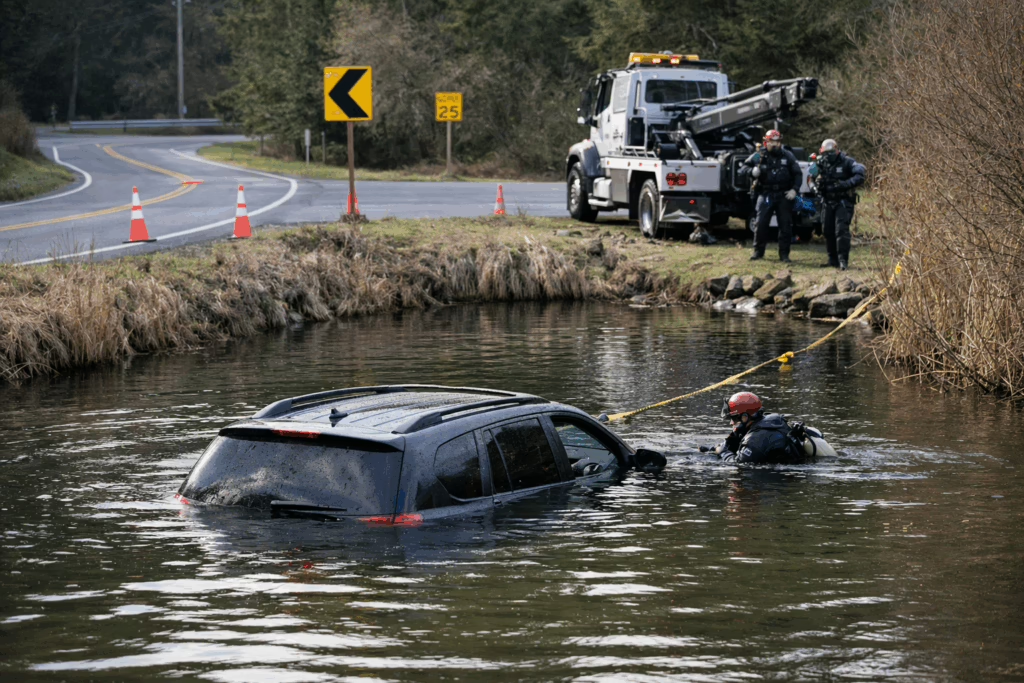
On December 20, an SUV overshot a sharp right turn at the intersection of Highway 20 and Keystone Avenue on Central Whidbey Island and plunged into a man‑made pond. Fortunately, both passengers escaped unharmed with help from bystanders before the vehicle sank.
While this outcome was fortunately non‑fatal, the crash highlights bigger issues for drivers in Washington: dangerous intersections, roadway design, signage, and legal responsibility when crashes occur.
What Happened at Highway 20 and Keystone Avenue
According to Central Whidbey Island Fire and Rescue, the SUV failed to make a sharp right turn and drove straight into the pond. Bystanders helped the passengers exit the submerged vehicle and swim to shore before emergency responders arrived. Because the vehicle sank quickly and was submerged in brackish water for more than a day, officials believe the damage likely totals a “total loss.”
Local residents say this stretch of road has seen multiple crashes over the years, including incidents where cars entered wetlands or water bodies nearby. Many believe improved signage or guardrails could reduce future accidents.
Dangerous Intersections in Washington: Who’s Responsible?
Driver Responsibility
Under Washington law, drivers are obligated to operate vehicles safely and in control at all times, considering road conditions, signage, and traffic patterns. When a driver fails to navigate a curve or turn and causes a crash, fault generally rests with that driver.
This means:
- The at‑fault driver’s automobile insurance is typically responsible for compensating property damage and injuries.
- Washington follows a pure comparative negligence standard — even if a driver is partly at fault, compensation can still be recovered, reduced by the percentage of fault.
Both fault and insurance coverage are determined by the facts of the crash, physical evidence, and statements from drivers and witnesses.
Can the Government Be Liable for Unsafe Roads?
A major theme surrounding the Highway 20 crash is whether the roadway itself contributes to repeated crashes. Residents and first responders have called for better signs or safety improvements at the turn where the SUV entered the pond.
Under Washington law, government entities may be liable for damages when a dangerous condition of public property (like a road or intersection) causes injury or damage. However, pursuing such a claim is not automatic.
To hold a city, county, or state agency responsible, you generally must show:
- The government knew or reasonably should have known about the dangerous condition, and
- The government failed to take corrective action within a reasonable timeframe.
Importantly, Washington requires that formal notice of a claim be filed promptly (often within 60 days) before suing a government agency. These notice requirements are strict and technical — missing deadlines or improper filings can bar claims entirely.
Submerged Vehicle Crashes: Unique Legal and Safety Concerns
An SUV plunging into water presents special challenges for victims and insurers. Even when there are no injuries, as in the December 20 crash:
- Property damage claims will still be necessary to address the total loss of the vehicle.
- Witness statements and first responder reports become essential pieces of evidence because the vehicle itself may be destroyed.
- Environmental recovery costs (like removing a submerged vehicle) can sometimes involve additional liability if the accident causes pollution or damage to public lands.
In incidents where roads lack adequate warnings for drivers, lawyers will often examine whether the government or another third party contributed to conditions that made the crash more likely.
What You Should Do After a Dangerous Intersection Crash
Even if you escape injury after a crash like the one on Highway 20, you should still take steps to protect your legal rights:
- Call 911 and request official police or fire reports.
- Document the scene — photos of the road, signage, landmarks, and damage matter.
- Talk to witnesses and collect their contact information.
- Notify your insurance company promptly.
- Consider legal consultation to evaluate whether another driver or a dangerous roadway contributed to the crash.
Having experienced legal counsel early can help navigate insurance claims, potential government claims, and any disputes over fault.
Contact Blanford Law
If you’ve been involved in a crash at a dangerous intersection in Washington — especially one involving unusual circumstances like a vehicle entering water — contact Blanford Law today at ken@blanfordlaw.com or 253‑720‑9304 for guidance on your legal matter.
Our attorneys can help you understand fault, insurance coverage, and whether you may have claims against negligent parties or public entities.
Additional Resources
- Freeland Woman Injured in Highway 525 Collision: Understanding Washington Right-of-Way Laws
This article explains how Washington’s right-of-way laws apply in highway collisions and what injured drivers should know.
https://blanfordlaw.com/freeland-woman-injured-highway-525-collision-washington-right-of-way/ - Kittitas County SUV Crash: Investigating Fault in Washington Accidents
A discussion of how fault is assessed in Washington crashes, especially in rural or multi-vehicle incidents.
https://blanfordlaw.com/kittitas-county-suv-crash/ - Coupeville Fatal Crash at SR 20: Roundabout Safety and Legal Implications
Looks at roundabout safety and what rights victims’ families have after a fatal crash in Washington.
https://blanfordlaw.com/coupeville-fatal-crash-sr20-libby-road-roundabout-safety/ - SUV Rollover Near Ellensburg: What Washington Drivers Should Know About Rollover Accidents
Covers the causes, consequences, and legal issues tied to SUV rollovers in Washington State.
https://blanfordlaw.com/suv-rollover-ellensburg/ - Elderly Driver Responsibility in Washington Car Crashes
Explores the legal obligations and liabilities of elderly drivers involved in accidents across the state.
https://blanfordlaw.com/elderly-driver-responsibility-crash/