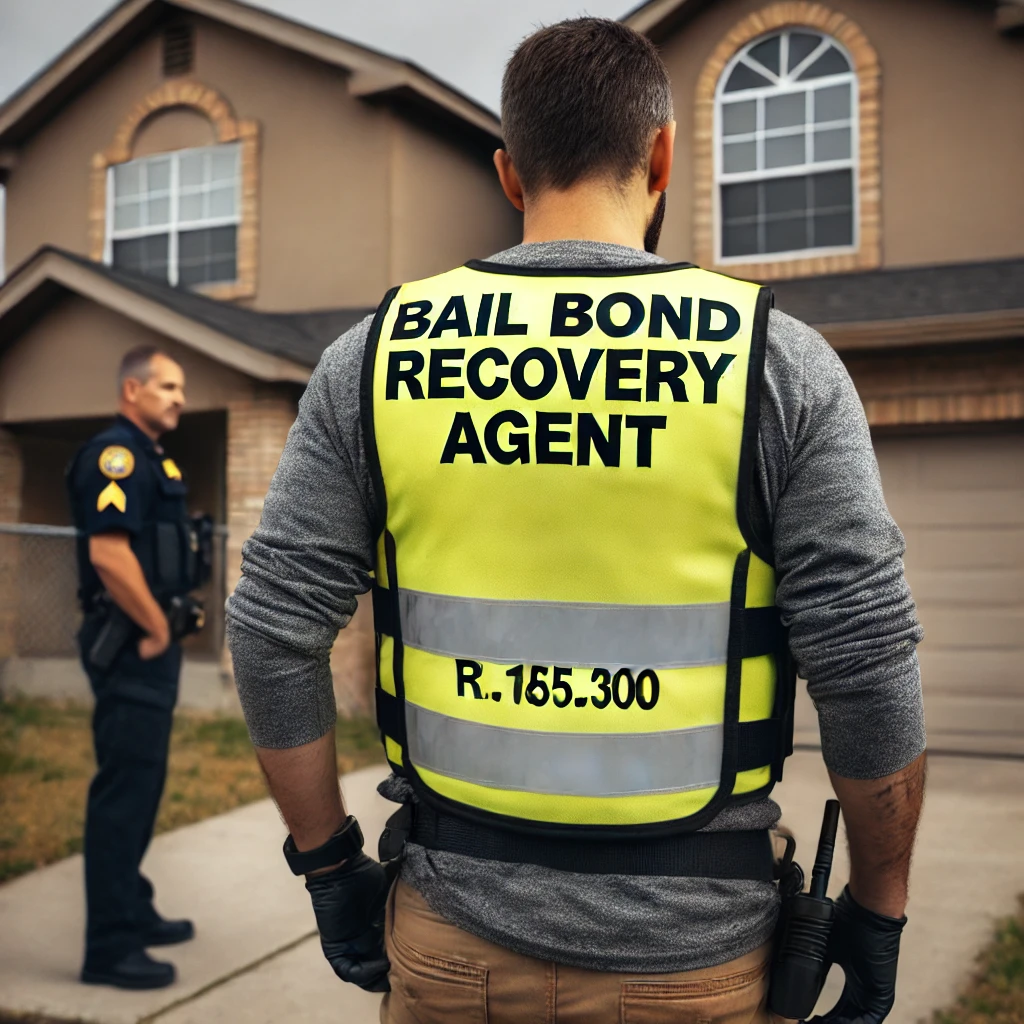
In Washington State, RCW 18.185.300 provides the legal framework for bail bond recovery agents conducting planned forced entry operations. The law ensures legal compliance and public safety by requiring agents to have reasonable cause before apprehending an individual who has skipped bail. Additionally, RCW 18.185.300 mandates that agents notify local law enforcement before conducting a planned forced entry to apprehend a defendant.
Key Requirements for Planned Forced Entry
Reasonable Cause and Law Enforcement Notification
Before initiating a planned forced entry, the bail bond recovery agent must have reasonable cause to believe the defendant is inside the targeted location. Furthermore, agents are required to notify local law enforcement with key details, such as the name of the defendant, the location of the forced entry, and the nature of the offense that resulted in the bail bond.
Identification Requirements for Recovery Agents
During a planned forced entry, RCW 18.185.300 mandates that recovery agents wear clearly labeled garmentsdisplaying the words “BAIL BOND RECOVERY AGENT” or “BAIL ENFORCEMENT.” The lettering must be reflective and at least two inches high to ensure clear identification. Agents may also carry a badge approved by the Department of Licensing to further confirm their identity.
Law Enforcement Immunity
If law enforcement officers are present or assist during the planned forced entry, they are granted immunity from civil action for any damages resulting from the bail bond recovery operation. This ensures that officers can participate in the recovery process without fear of legal consequences.
For more information on this law, you can review RCW 18.185.300 on the Washington State Legislature website here.
Why RCW 18.185.300 Matters
RCW 18.185.300 is vital for ensuring that bail bond recovery agents conduct planned forced entry operations with legal oversight and public safety in mind. By requiring coordination with law enforcement and proper identification, the law protects both recovery agents and the general public. Compliance with these regulations helps maintain the integrity of the bail bond recovery process.
Additional Resources: Explore Related Legal Topics
- Understanding RCW 9A.16.025: Use of Force – When Unjustified & Victim Identity Learn about the legal boundaries of justifiable use of force in Washington State, including critical analysis of victim identity in related cases.
- The Importance of Estate Planning for Navy Families: Unique Considerations to Keep in Mind Discover key estate planning tips for Navy families, addressing unique challenges like deployments and relocations.
- Snoqualmie Pass Comprehensive Safety Action Plan: Improving Travel Safety in King and Kittitas CountiesDive into efforts to enhance travel safety through Snoqualmie Pass, with insights into recent safety initiatives.
- Understanding the Stout v. Johnson Case: 159 Wn. App. 344 (Wash. Ct. App. 2011) Explore the liability and bail bond recovery implications from this pivotal Washington Court of Appeals case.
- The Stout v. Warren Case: 176 Wn.2d 263 (Wash. 2012) Review this Washington State Supreme Court case that redefined vicarious liability for bail bond recovery operations.
- Crimes Committed in Mad Max Beyond Thunderdome (1985): Focus on Driving Offenses Analyze the fictional crimes from Mad Max Beyond Thunderdome under Washington State driving laws.
- Crimes Committed in Mad Max 2 (1982): Under Washington Driving Laws Break down the driving-related offenses from Mad Max 2 as they would apply in Washington State.
- State v. Olivera-Avila: Washington Guilty Plea and Community Placement A detailed discussion of the community placement conditions following a guilty plea in Washington.
- Crimes Committed in Mad Max (1979): Based on Washington Law Examine the original Mad Max movie’s offenses under Washington State law, focusing on reckless driving and more.
- Washington Negligence Claims: Statute of Limitations and Tolling in the Ace Paving Case Understand how the statute of limitations for negligence claims works in Washington, with key takeaways from the Ace Paving case.
Blanford Law: Expert Guidance on Bail Bond Recovery Laws
At Blanford Law, we specialize in providing legal advice on Washington State bail bond laws, including RCW 18.185.300. Whether you’re a bail bond recovery agent seeking legal clarification or need assistance with compliance, our team is here to support you. Visit our client reviews to learn how we can help you navigate the complexities of bail bond recovery operations.