
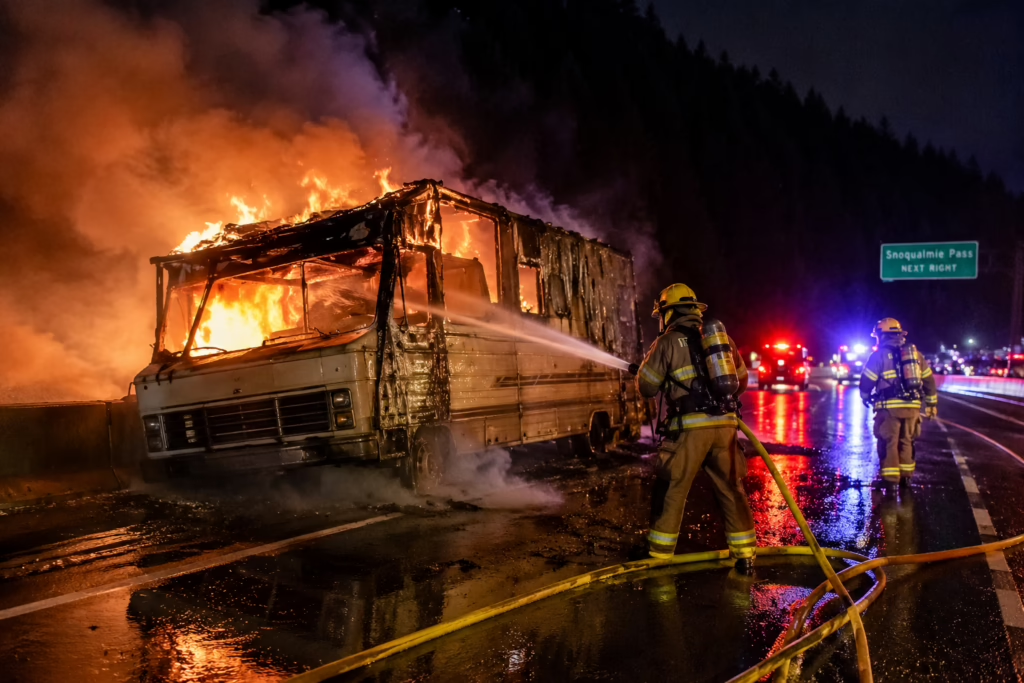
Late Friday night, Eastside Fire & Rescue crews responded to a dramatic RV fire along eastbound Interstate 90 heading toward Snoqualmie Pass. Firefighters shared photos from the scene around 10:16 p.m., showing a fully engulfed trailer burning alongside the highway.
According to Eastside Fire & Rescue, the caller who reported the fire was able to safely exit the RV before crews arrived and successfully removed propane tanks from the vehicle. That quick action may have prevented an even more dangerous situation on one of Washington’s busiest mountain travel corridors.
At this time, officials have not released additional information about injuries, roadway closures, or what may have caused the fire. However, incidents involving RV fires on Washington highways often raise important safety, insurance, and legal questions for vehicle owners and other drivers on the road.
RV Fires Can Become Dangerous Quickly
An RV contains many of the same systems found inside a home, including propane, electrical wiring, batteries, fuel systems, and cooking equipment. When something malfunctions, fires can spread rapidly.
In this incident near Snoqualmie Pass, firefighters arrived to find the trailer already fully engulfed. Fires of this nature can become especially dangerous along I-90 because of narrow shoulders, steep grades, and heavy traffic heading through the Cascade Mountains.
Drivers traveling through mountain passes often place additional stress on vehicles due to braking demands, elevation changes, and extended driving times. Overheated brakes, tire failures, propane leaks, or electrical malfunctions can all contribute to catastrophic RV fires.
Legal Issues After an RV Fire on I-90
Although no injuries have been reported in this incident, RV fires can easily lead to personal injury claims, insurance disputes, or liability investigations.
Under Washington law, vehicle owners are generally responsible for maintaining their vehicles in reasonably safe operating condition. If investigators determine that poor maintenance, defective repairs, or negligence contributed to a fire, legal liability could potentially follow.
For example, an RV owner may face claims if a fire causes:
- Damage to nearby vehicles
- Highway accidents caused by smoke or debris
- Injuries during evacuations
- Damage to public property or infrastructure
In some situations, manufacturers or repair companies may also become involved if defective parts or faulty repairs contributed to the fire.
Insurance Coverage After an RV Fire
One of the first issues many RV owners face after a fire is determining what insurance coverage applies. Depending on the policy, coverage may include damage to the RV itself, liability for injuries or property damage, and emergency towing or cleanup costs.
However, insurance companies often investigate the cause of vehicle fires closely. Disputes may arise over whether the fire resulted from mechanical failure, improper maintenance, unauthorized modifications, or other excluded causes.
Preserving evidence after a fire can become important in resolving insurance claims. Fire reports, photographs, maintenance records, and witness statements may all help establish what occurred.
Mountain Travel Creates Unique Risks
This latest I-90 fire incident is also a reminder of the unique hazards associated with mountain travel in Washington State. Snoqualmie Pass sees heavy year-round traffic from passenger vehicles, commercial trucks, and recreational travelers.
Before traveling through the Cascades, drivers should inspect:
- Tire pressure and tread
- Brake systems
- Electrical connections
- Propane lines
- Engine temperatures
- Emergency fire extinguishers
Routine maintenance can significantly reduce the likelihood of mechanical breakdowns and roadside emergencies.
The Importance of Quick Emergency Response
Fortunately, Eastside Fire & Rescue confirmed that the RV occupant safely escaped before the fire intensified. Removing the propane tanks before firefighters arrived may have helped reduce the risk of explosions or additional hazards to surrounding traffic.
Emergency responders frequently face dangerous roadside conditions when battling vehicle fires on major highways. Fast-moving traffic, smoke visibility issues, and hazardous materials can all create serious risks for both firefighters and motorists.
Understanding Your Rights After a Vehicle Fire
Even when no one is seriously injured, a vehicle fire can create substantial financial losses and legal complications. Determining fault, handling insurance claims, and documenting damages can quickly become overwhelming after a major roadway incident.
Drivers involved in RV fires or related highway accidents may benefit from understanding their rights and responsibilities under Washington law.
Contact Blanford Law
Contact Blanford Law today at ken@blanfordlaw.com or 253-720-9304 for guidance on your legal matter.
Additional Resources
Snoqualmie Pass Fire Traffic
A look at how fires and emergency incidents on Snoqualmie Pass can create dangerous traffic conditions and legal complications for drivers.
https://blanfordlaw.com/snoqualmie-pass-fire-traffic/
Washington School Weapon Case
An overview of Washington criminal charges and legal consequences involving alleged weapons possession at schools.
https://blanfordlaw.com/washington-school-weapon-case/
Washington Physical Control DUI
Learn how Washington’s physical control laws differ from DUI charges and what drivers should know about potential defenses.
https://blanfordlaw.com/washington-physical-control-dui/
I-90 Cle Elum Fire
Coverage of another major fire incident along Interstate 90 near Cle Elum and the legal and safety concerns that followed.
https://blanfordlaw.com/i-90-cle-elum-fire/
Snoqualmie Pass Bus Fire
An article examining a bus fire near Snoqualmie Pass and the risks large vehicle fires pose on Washington highways.
https://blanfordlaw.com/snoqualmie-pass-bus-fire/