
Will I Spend the Night in SCORE Jail After a DUI Arrest?
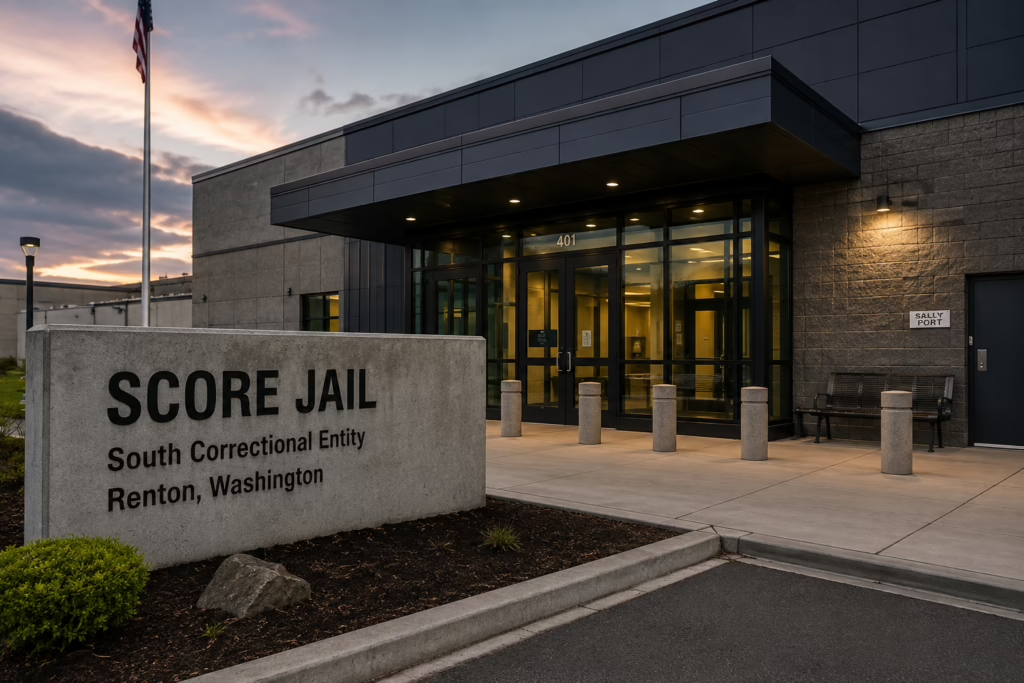
If you’ve experienced a SCORE Jail DUI arrest, one of the first questions you probably have is whether you’ll spend the night in jail. The answer depends on several factors, including the circumstances of your arrest, the court handling your case, whether a judge has reviewed your release, and whether you qualify for release on personal recognizance or another form of pretrial release.
Many people arrested for DUI are released within hours. Others remain in custody until they appear before a judge. Understanding what affects that decision can help you know what to expect.
What Happens After a SCORE Jail DUI Arrest?
After a DUI arrest, law enforcement generally transports the person to SCORE Jail for booking. During booking, officers record personal information, photograph and fingerprint the individual, inventory personal property, and complete the jail admission process.
The amount of time spent at SCORE depends on more than just the booking process. The jail must also determine whether there are outstanding warrants, additional holds, or court orders affecting release.
Will Everyone Spend the Night in Jail?
No.
Some people are released the same day. Others remain in custody until their first court appearance.
Whether someone spends the night in jail depends on factors such as:
- The time of the arrest
- Whether the arrest occurred on a weekend or holiday
- The court responsible for the case
- Whether probable cause has been reviewed
- Whether release conditions have been established
- Any outstanding warrants or holds
- The person’s criminal history and prior failures to appear
There is no automatic rule requiring every person arrested for DUI to stay overnight.
SCORE Jail DUI Arrest: Can I Be Released Without Bail?
Yes, in many cases.
Washington Criminal Rule 3.2 begins with a presumption that defendants charged with noncapital offenses should be released on personal recognizance unless the court determines that release will not reasonably assure future court appearances or that release presents a qualifying danger to others.
If the court concludes additional conditions are necessary, it must generally consider the least restrictive conditions that reasonably address those concerns before requiring secured bail.
That does not mean every DUI defendant will be released immediately, but it does mean the judge considers more than simply the charge itself.
What Factors Does the Judge Consider?
When deciding whether release is appropriate, a judge may consider information such as:
- Previous failures to appear
- Criminal history
- Employment
- Family ties
- Stable housing
- Length of residence in the community
- Participation in treatment programs
- The nature of the alleged offense
The judge may also consider whether conditions such as alcohol monitoring, travel restrictions, or regular reporting would adequately protect the community while allowing release.
What Happens If I’m Not Released Right Away?
If release is not immediately authorized, you may remain in custody until your first court appearance.
At that hearing, the judge may:
- Review probable cause
- Decide whether release is appropriate
- Set bail if necessary
- Order conditions of release
- Schedule future hearings
The hearing focuses on release—not on deciding guilt or innocence.
Does a DUI Automatically Mean Bail?
No.
Many people assume every DUI requires posting bail. That is incorrect.
Depending on the facts of the case and the person’s history, a judge may release someone on personal recognizance, impose conditions without requiring cash bail, or require a secured bond if the court concludes less restrictive conditions are insufficient.
Every case is different.
How Long Does Release Take After the Judge Signs the Order?
Even after a judge orders release, it may take additional time before someone leaves SCORE Jail.
Release processing can include:
- Completing paperwork
- Verifying release conditions
- Processing any required bond
- Returning personal property
- Final jail release procedures
Because processing times vary, release is not always immediate after the court signs the order.
What Should My Family Do?
Family members can often help by:
- Confirming where the person is being held
- Determining which court is handling the case
- Gathering employment information
- Confirming a home address
- Preparing information that may support release
- Remaining available if the court requests additional information
Families should also be cautious of scams. SCORE Jail warns that it does not telephone families requesting money to secure an inmate’s release.
What Should I Do After Release?
After release, carefully review every court document.
Make sure you:
- Know your next court date.
- Follow every release condition.
- Preserve any evidence related to the stop.
- Address any Department of Licensing deadlines.
- Speak with an attorney before discussing your case publicly.
Missing court or violating release conditions can lead to additional legal problems.
The Bottom Line
A SCORE Jail DUI arrest does not automatically mean you will spend the night in jail. Some people are released within hours, while others remain in custody until a judge reviews the case. The outcome depends on the circumstances of the arrest, court scheduling, and the release decision made under Washington law.
Understanding the process—and acting quickly after release—can make a significant difference in protecting both your rights and your driver’s license.
Arrested for DUI? The Next Few Days Matter.
Following a SCORE Jail DUI arrest, important decisions about release, court appearances, and your driver’s license can happen quickly. Early legal guidance can help you understand what to expect, comply with court orders, and begin preparing your defense.
Contact Blanford Law today at ken@blanfordlaw.com or 253-720-9304 for guidance on your legal matter.
Additional Resources
To learn more about DUI arrests, bail, and release from SCORE Jail, explore these related articles:
- How Do I Find Someone in the SCORE Jail? – Learn how to locate someone in custody, find court information, and understand the booking process.
- Washington Bail and Recognizance Law – Understand how Washington courts decide whether someone may be released before trial.
- Can I Get Released Without Bail in Washington? – Learn when Washington law allows release on personal recognizance instead of requiring bail.
- How Washington Judges Decide Bail and Release Conditions – Learn what judges consider when deciding whether someone should remain in custody or be released before trial.
- RCW 10.19.110 – Recognizances in Washington – Read about Washington’s recognizance laws and the obligations imposed after release.