
Being arrested and booked into the South Correctional Entity (SCORE) Jail can be overwhelming. For many people, the next major event is their first appearance before a judge, sometimes called an initial appearance or probable cause hearing. Understanding what happens at this hearing can help reduce anxiety and prepare you or your loved one for what comes next.
If you were arrested in King County, Pierce County, or another jurisdiction that uses SCORE Jail, your first appearance is one of the most important stages of your criminal case. Although it is not a trial and no determination of guilt is made, the judge’s decisions can significantly affect your freedom while the case is pending.
What Is a First Appearance After SCORE Jail?
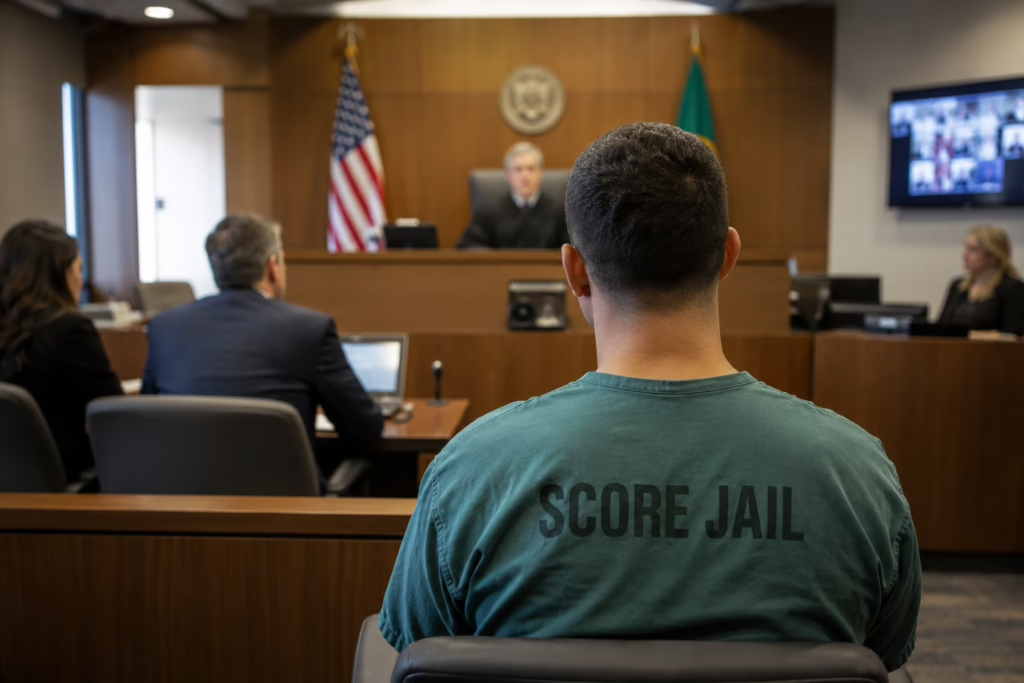
A First Appearance After SCORE Jail is the first time you appear before a judge after your arrest. Under Washington law, a person arrested without a warrant must generally be brought before a judicial officer within a relatively short period—typically by the end of the next judicial day—to determine whether probable cause exists to continue detention and to address release conditions.
This hearing is designed to ensure that your constitutional rights are protected while allowing the court to decide whether you should remain in custody or be released.
What Happens During the Hearing?
The hearing is usually brief and may last only a few minutes. During the proceeding, the judge will review several important issues.
The Judge Reviews the Charges
The prosecutor informs the court of the allegations and the offenses under investigation or charged. The judge ensures that you understand the nature of the allegations.
At this stage, the judge is not deciding whether you are guilty.
Probable Cause Determination
If you were arrested without a warrant, the judge determines whether law enforcement had sufficient probable cause to support your continued detention.
If probable cause is lacking, the court may order your release.
Bail and Release Conditions
One of the most significant parts of the hearing involves deciding whether you can be released before trial.
The judge may:
- Release you on your personal recognizance (without posting bail)
- Set monetary bail
- Require a bail bond
- Impose conditions of release
- Order continued detention if legally appropriate
Conditions may include:
- No-contact orders
- Travel restrictions
- Drug or alcohol testing
- Electronic home monitoring
- Surrendering firearms
- Regular check-ins with pretrial services
The court considers several factors, including:
- Criminal history
- Community ties
- Employment
- Prior failures to appear
- Public safety concerns
- Risk of flight
Will I Have an Attorney?
If you cannot afford an attorney, the court will generally advise you of your right to appointed counsel if you qualify.
Having a lawyer involved early can make a substantial difference because your attorney can:
- Argue for lower bail
- Request release on recognizance
- Challenge unnecessary release conditions
- Protect your constitutional rights
- Begin preserving favorable evidence
Can Family Attend?
In many Washington courts, family members may attend first appearances if proceedings are open to the public. Some hearings may also be conducted by video from SCORE Jail.
Although family members usually do not speak during the hearing, their presence can provide emotional support. In some situations, information regarding housing, employment, or community support may be communicated to defense counsel to help argue for release.
What Happens After the First Appearance?
The next steps depend on the type of case and the court involved.
Possible outcomes include:
- Release from custody
- Posting bail
- Remaining in custody until bail is posted or another hearing occurs
- Arraignment being scheduled
- Additional court dates being set
Your attorney will begin reviewing police reports, evaluating the evidence, and developing a defense strategy.
Why Early Legal Representation Matters
Many people assume that nothing important happens during the first appearance because the hearing is short. In reality, the judge’s decisions regarding bail and release conditions can affect your employment, family responsibilities, finances, and ability to help prepare your defense.
An experienced criminal defense attorney can present information about your background, employment, family support, and community ties to seek the least restrictive release conditions possible.
Frequently Asked Questions About a First Appearance After SCORE Jail
How soon will I see a judge?
Generally, Washington law requires an arrested person to be brought before a judge by the end of the next judicial day following arrest if held in custody.
Can my charges be dismissed at the first appearance?
Usually not. The hearing is focused on probable cause and release conditions, not deciding guilt or innocence.
Will I be released immediately?
Not necessarily. Release depends on the judge’s decision regarding bail and any conditions imposed.
Can bail be reduced later?
Yes. In many cases, your attorney may request a later hearing asking the court to reduce bail or modify release conditions if circumstances warrant.
Contact Blanford Law
If you or someone you care about has been arrested and is facing a First Appearance After SCORE Jail, obtaining legal representation as early as possible can make a meaningful difference.
Contact Blanford Law today at ken@blanfordlaw.com or 253-720-9304 for guidance on your legal matter.
Additional Resources
How Do I Look Someone Up in the SCORE Jail?
If your loved one has been booked into SCORE Jail, this guide explains how to locate an inmate, understand the booking process, and find important contact information.
https://blanfordlaw.com/how-do-i-look-someone-up-in-the-score-county-jail-where-are-they-how-do-i-find-them-what-is-the-score-jail/
Understanding Washington Offender Scores
Learn how Washington’s offender score system works and why prior convictions can affect sentencing if criminal charges result in a conviction.
https://blanfordlaw.com/offender-score-washington-wysgoll/
State v. Drake (Washington)
This article discusses an important Washington appellate decision and how court rulings can influence criminal procedure and defendants’ rights.
https://blanfordlaw.com/state-v-drake-washington/
Passenger Dies in I-90 Crash
While this case involves a fatal collision rather than a first appearance, it illustrates how serious criminal investigations often begin with an arrest that may lead to booking, a first appearance, and later court proceedings.
https://blanfordlaw.com/passenger-dies-i-90-crash/