
Understanding RCW 9.41.300 Weapons Prohibited Locations
Washington generally recognizes the right to bear arms under both the United States Constitution and Article I, Section 24 of the Washington Constitution. However, that right is not unlimited. RCW 9.41.300 identifies specific locations where firearms and other weapons are prohibited, even for otherwise lawful gun owners.
Anyone who knowingly possesses or controls a weapon in one of the prohibited locations identified by the statute may face criminal penalties. Because violations can result in a gross misdemeanor conviction, it is important for Washington residents and visitors to understand where these restrictions apply.
Places Where Weapons Are Prohibited Under RCW 9.41.300
Jails, Correctional Facilities, and Law Enforcement Facilities
Weapons are prohibited in the restricted access areas of jails, detention facilities, and law enforcement facilities. These restrictions apply to areas used for the confinement of individuals who are arrested, charged with crimes, convicted of offenses, or otherwise confined by court order.
Public entry and exit areas generally are not considered restricted access areas.
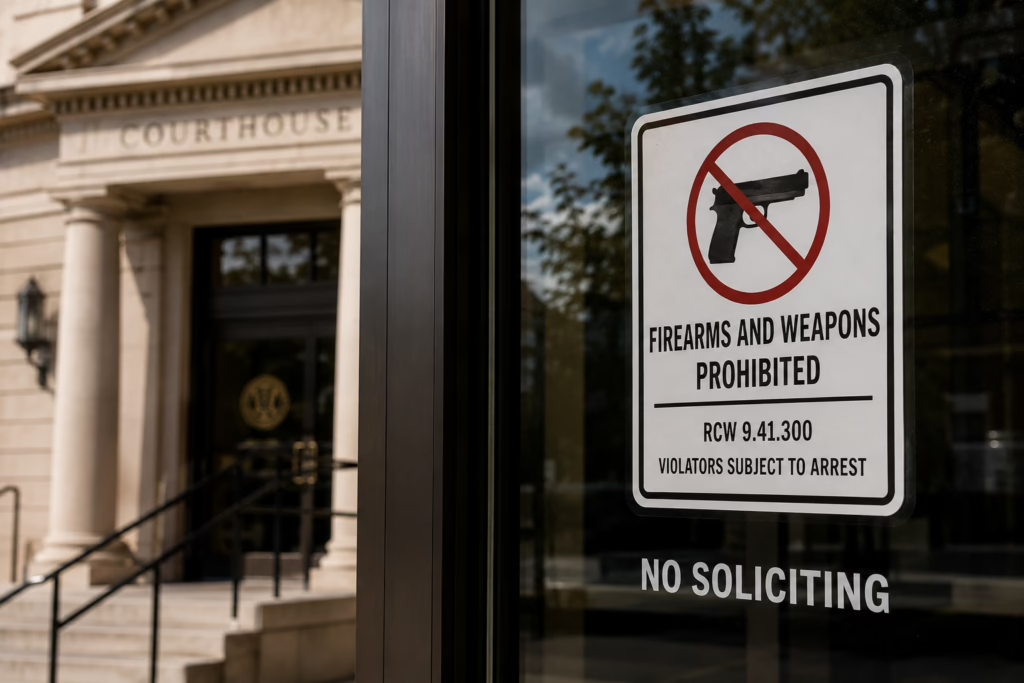
Courtrooms and Court Facilities
Weapons are prohibited in courtrooms and other areas used in connection with court proceedings, including:
- Jury rooms
- Judge’s chambers
- Court administration offices
- Waiting areas
- Adjacent corridors
Local governments must provide secure storage options, such as locked weapon storage boxes or designated personnel to receive weapons while visitors conduct court business.
Mental Health Facilities
Restricted access areas of public mental health facilities licensed for inpatient treatment and state institutions for the care of individuals with mental illness are weapon-free zones under Washington law.
Bars and Age-Restricted Portions of Establishments
Washington prohibits weapons in areas classified by the Washington State Liquor and Cannabis Board as off-limits to individuals under 21 years old. This commonly affects certain bar areas and age-restricted sections of restaurants or entertainment venues.
Airport Security Areas
Weapons are prohibited in the secured portions of commercial airports, including passenger screening checkpoints and other restricted areas identified in federally approved airport security plans.
However, general parking areas, roadways, and portions of terminals open to unscreened visitors are typically not covered by these restrictions.
Libraries, Zoos, Aquariums, and Transit Facilities
Recent amendments to RCW 9.41.300 expanded prohibited locations to include:
- Public libraries
- Accredited zoos
- Accredited aquariums
- Transit stations
- Transit facilities
Certain exceptions exist for concealed pistol license holders in some circumstances, making it important to understand how the law applies to your specific situation.
Open Carry Restrictions at Permitted Demonstrations
Washington law also restricts the open carry of firearms and certain other weapons at permitted demonstrations.
A “permitted demonstration” may include:
- Protests
- Marches
- Rallies
- Vigils
- Sit-ins
- Similar public gatherings
Open carry is prohibited both at the demonstration and, under certain circumstances, within 250 feet of the event after a law enforcement officer directs the individual to leave the area while possessing a weapon.
Concealed Carry Exception
RCW 9.41.300 specifically states that these demonstration-related restrictions do not apply to the lawful concealed carry of a firearm by a person holding a valid Washington Concealed Pistol License (CPL).
Exceptions to Washington’s Weapons Prohibitions
Several categories of individuals may qualify for statutory exceptions, including:
- Military personnel acting in official duties
- Law enforcement officers
- Security personnel performing official functions
- Certain correctional personnel
- Community corrections officers
- Facility administrators who grant written authorization
The availability of an exception depends on the specific location and circumstances involved.
Penalties for Violating RCW 9.41.300
A violation of RCW 9.41.300 is generally classified as a gross misdemeanor.
A gross misdemeanor conviction in Washington can result in:
- Up to 364 days in jail
- A fine of up to $5,000
- Potential collateral consequences affecting firearm rights, employment opportunities, and professional licensing
Because the consequences can be significant, anyone cited or charged under this statute should seek legal advice immediately.
Why Understanding RCW 9.41.300 Matters
Washington firearm laws continue to evolve through legislative changes and court decisions. RCW 9.41.300 establishes a growing list of locations where weapons are prohibited, even for individuals who lawfully own firearms.
Understanding where firearms and other weapons are restricted can help individuals avoid criminal charges while exercising their legal rights responsibly. Whether you are a concealed pistol license holder, firearm owner, or simply want to understand Washington law, knowing the restrictions imposed by RCW 9.41.300 is essential.
Contact Blanford Law
If you have been charged with a firearm-related offense or have questions about Washington weapons laws, contact Blanford Law today at ken@blanfordlaw.com or 253-720-9304 for guidance on your legal matter.
Additional Resources
Washington School Weapon Case
This article examines how Washington courts handle school-related weapon allegations and the legal consequences that can follow for students and adults accused of weapon offenses on school property.
https://blanfordlaw.com/washington-school-weapon-case/
Washington CrRLJ 8.3(b) Dismissal Case
Learn how Washington courts may dismiss criminal charges when governmental misconduct or mismanagement prejudices a defendant’s right to a fair trial under CrRLJ 8.3(b).
https://blanfordlaw.com/washington-crr-83b-dismissal-case/
IRLJ 3.5 Written Statements
Discover how written statements can be used in contested traffic hearings and the procedural requirements under Washington’s Infraction Rules for Courts of Limited Jurisdiction (IRLJ).
https://blanfordlaw.com/irlj-3-5-written-statements-2/
Conviction Vacatur in Washington
Explore the process of vacating eligible criminal convictions in Washington and how clearing a record may improve future employment, housing, and educational opportunities.
https://blanfordlaw.com/conviction-vacatur-washington/
RPC 3.9 Nonadjudicative Proceedings
Understand an attorney’s ethical obligations when appearing before legislative bodies, administrative agencies, and other nonadjudicative proceedings under RPC 3.9.
https://blanfordlaw.com/rpc-3-9-nonadjudicative-proceedings/